
Apple Secures US Rare Earth Magnet Supply in $500 Million Deal with MP Materials
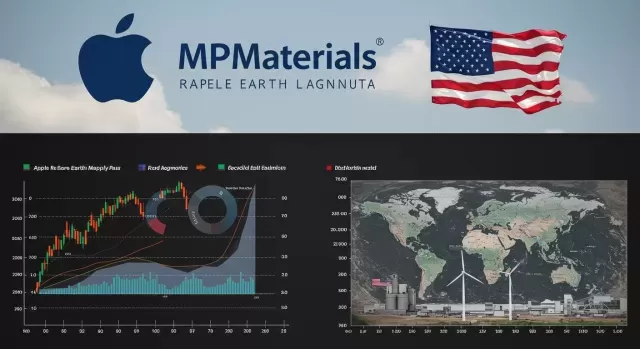
In a strategic move to bolster its supply chain resilience and reduce reliance on foreign sources, Apple has forged a significant $500 million agreement with MP Materials, a leading U.S.-based rare earth magnet producer. This deal marks a pivotal moment for the tech giant and underscores the growing importance of securing domestic supplies of critical materials in an increasingly volatile global landscape.
The agreement with MP Materials comes on the heels of increased scrutiny over China's dominance in the rare earth element market and its potential impact on global industries.
What are Rare Earth Elements and Why are They Important?
Rare earth elements (REEs) are a set of 17 metallic elements that are essential components in a wide range of modern technologies. They possess unique magnetic, luminescent, and catalytic properties, making them indispensable in applications such as:
- Electronics: Smartphones, computers, televisions, and other electronic devices rely on REEs for magnets, displays, and circuitry.
- Renewable Energy: Wind turbines and electric vehicles utilize REEs in their high-strength magnets.
- Defense: Missile guidance systems, radar, and other military technologies depend on REEs.
- Medical Equipment: MRI machines and other advanced medical devices use REEs.
China has historically controlled a significant portion of the global REE supply chain, raising concerns about potential disruptions and geopolitical risks.
Apple's Strategic Shift: Reducing Dependence on China
Apple's decision to partner with MP Materials reflects a proactive approach to mitigate supply chain vulnerabilities and diversify its sourcing of critical components. By securing a long-term supply of U.S.-produced rare earth magnets, Apple is taking steps to:
- Reduce Dependence on China: China's dominance in REE production has raised concerns about potential export restrictions or price manipulation.
- Enhance Supply Chain Security: The agreement with MP Materials ensures a more reliable and secure supply of essential components for Apple's products.
- Support Domestic Manufacturing: Apple's investment in MP Materials helps to strengthen the U.S. rare earth industry and create domestic jobs.
- Align with Sustainability Goals: The deal emphasizes the use of recycled magnets, aligning with Apple's commitment to environmental responsibility.
MP Materials: A Rising Force in the US Rare Earth Industry
MP Materials owns and operates the Mountain Pass rare earth mine in California, which is the only active rare earth mine in the United States. The company processes rare earth ore into concentrated rare earth oxides, which are then used to produce magnets and other products.
The deal with Apple is a major boost for MP Materials, which has been working to expand its production capacity and establish a fully integrated rare earth supply chain in the United States. The company is also benefiting from increased government support, including a recent agreement with the U.S. Department of Defense that will make the Pentagon its largest shareholder.
Financial Implications and Market Reaction
Following the announcement of the Apple deal, MP Materials' stock price surged by 21% to reach a record high. Apple's stock also experienced a modest gain of under 1%. The market reaction reflects the positive sentiment surrounding the deal and its potential to benefit both companies.
| Company | Stock Ticker | Stock Price Change |
|---|---|---|
| MP Materials | MP.N | +21% |
| Apple | AAPL.O | Under +1% |
The Apple-MP Materials agreement is expected to have a significant impact on the rare earth market. It will help to diversify the supply chain, reduce reliance on China, and support the growth of the U.S. rare earth industry.
The Future of Rare Earth Supply Chains
Apple's investment in MP Materials signals a broader trend towards securing domestic supplies of critical materials. As geopolitical tensions rise and concerns about supply chain vulnerabilities increase, companies are likely to prioritize diversification and resilience in their sourcing strategies.
Governments around the world are also taking steps to support the development of domestic rare earth industries. These efforts include funding for research and development, tax incentives for mining and processing, and policies to encourage the use of recycled materials.
The rare earth market is expected to grow significantly in the coming years, driven by demand from electronics, renewable energy, and other industries. As the market expands, it will be crucial to ensure a sustainable and responsible supply of these critical materials. This includes:
- Investing in recycling and reuse technologies.
- Promoting responsible mining practices.
- Diversifying supply sources to reduce reliance on any single country or region.
Apple's agreement with MP Materials is a positive step towards building a more secure and sustainable rare earth supply chain. It demonstrates the importance of collaboration between industry and government to address critical material challenges and ensure the long-term competitiveness of the U.S. economy. The move not only safeguards Apple's access to essential components but also strengthens the U.S.'s position in the global technology race.
The agreement between Apple and MP Materials is scheduled to begin in 2027, with Apple making an initial prepayment of $200 million. The magnets will be produced in MP Materials' Fort Worth, Texas, facility, utilizing recycled materials from their Mountain Pass, California, mining complex. This approach aligns with Apple's broader environmental goals and its commitment to reducing its reliance on traditional mining practices.