Precious Metals Surge on Trade Tensions
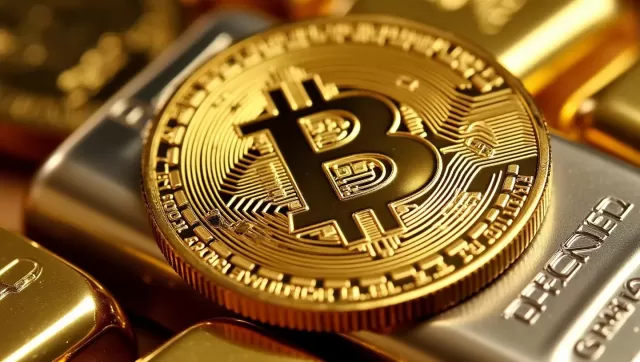
Precious metals are currently holding near historic price peaks, fueled by a brewing trade conflict between the United States and Europe. Gold is trading close to $4,676.70 per ounce, while silver has surpassed the $94 per ounce mark.
New Tariffs Spark International Concerns
The recent announcement by President Donald Trump on January 17th, imposing a 10% tariff on goods from Denmark, Norway, Sweden, France, Germany, the United Kingdom, the Netherlands, and Finland, has significantly heightened global trade uncertainties. This move was reportedly a response to these nations' stance on American interests in Greenland. In a unified response, leaders from the affected countries warned that such a threat could destabilize transatlantic relationships and precipitate a detrimental chain reaction.
Global Markets React to Geopolitical Instability
While U.S. stock and bond markets observed a holiday closure on Monday, a broad decline was witnessed in equity markets worldwide, underscoring the pervasive sense of global apprehension.
The Safe Haven Appeal of Precious Metals
In times of international turmoil, precious metals have long been a preferred investment strategy. They are widely regarded as a more secure alternative to company stocks, which are intrinsically linked to the performance of a growing economy. Furthermore, precious metals maintain their value independently of any single nation or central banking authority.
Shifting Investor Sentiment and Portfolio Diversification
Analysts at Goldman Sachs highlighted a notable trend in portfolio management following "Liberation Day," a term coined by President Trump for his April 2025 tariff announcements that previously disrupted financial markets. Investors have been actively seeking to reduce their exposure to U.S. assets, consequently boosting demand for gold, other precious metals, and emerging market assets.
Goldman Sachs, while generally optimistic about risk-taking, identifies commodities as a sound avenue for diversification in the face of geopolitical risks. Their analysis indicates a preference for precious metals over energy investments, noting that market pricing already reflects greater geopolitical risk in gold compared to oil.