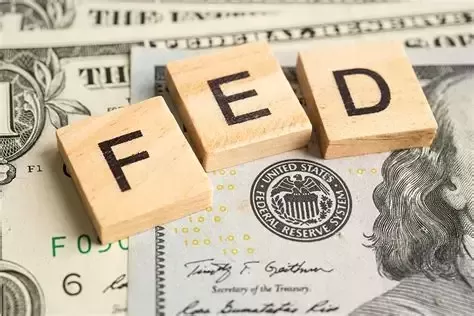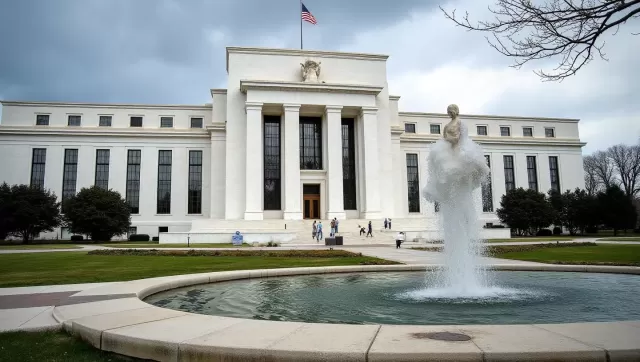
Fed Signals Pause Amid Trump's Easing Calls
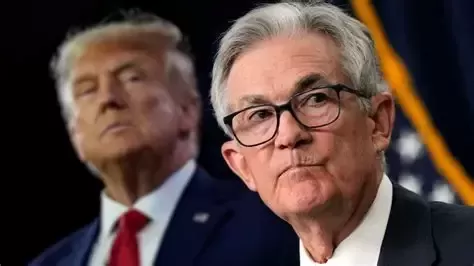
The Federal Reserve has signaled a potential pause in its interest rate reduction cycle, despite President Trump's persistent calls for more aggressive monetary easing. The central bank recently implemented its third consecutive 25-basis-point cut, bringing the target range for interest rates to 3.5%-3.75%. However, this move was accompanied by a projection indicating only one further rate cut is anticipated in 2026, a pace that falls short of the President's desired trajectory.
President Trump has been vocal in his belief that U.S. interest rates should be the lowest globally, arguing for their foundational importance to the world economy. His pronouncements underscore his direct interest in the Fed's monetary policy decisions, particularly as the appointment of Jerome Powell's successor approaches. The President has explicitly stated that an immediate and substantial lowering of interest rates will be a key consideration in his selection process.
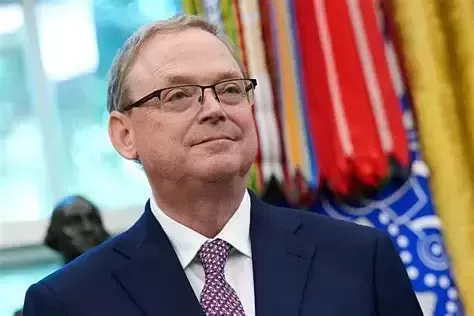
Among the potential candidates to lead the Federal Reserve, White House economic adviser Kevin Hassett is widely considered a front-runner. The President has also indicated meetings with other influential figures, such as former Fed Governor Kevin Warsh, as he weighs his nomination. The selection of a new Fed chair presents President Trump with a significant opportunity to exert greater influence over the central bank's direction. This push for influence follows a period of public criticism of Chairman Powell and attempts to impact the composition of the Fed's board, including a legal challenge regarding the status of Fed Governor Lisa Cook.
Federal Reserve's Divided Stance on Interest Rates
The recent vote on the interest rate cut revealed a notable division within the Federal Open Market Committee (FOMC), highlighting that the next Fed chair will not have unfettered authority to dictate monetary policy. The FOMC, which comprises 19 members, including the Fed chair and regional Federal Reserve Bank presidents, is responsible for setting the nation's interest rates. The 12 voting members operate on a rotating basis, ensuring a diverse range of perspectives.
In the latest decision, a significant minority expressed differing views on the optimal course of action. Two regional Fed presidents, Austan Goolsbee of Chicago and Jeffrey Schmid of Kansas City, advocated for maintaining current interest rates. Furthermore, Fed Governor Stephen Miran, appointed by President Trump on a temporary basis, was the sole member to propose a more substantial 50-basis-point reduction.
The Fed's "dot plot," which provides insights into individual policymakers' projections, also indicated underlying dissent. Several officials, while not formally dissenting, signaled a preference for holding interest rates steady. This divergence in opinion complicates the Fed's path forward.
Market strategists observe that while a more dovish nominee is expected, the practical reality of implementing rate changes requires a consensus among the voting members. The split vote underscores the challenge of navigating differing views on the relative importance of inflation and employment risks.
Federal Reserve Chair Jerome Powell acknowledged the internal disagreements, stating that "people who have strong views" contribute to a dynamic decision-making process. He characterized the recent vote as having "fairly broad support" with nine out of twelve members in favor, but also noted that the current environment is less about unanimous agreement and more about managing a broader spectrum of economic perspectives. The dot plot analysis suggests that Governor Miran's views on interest rate levels remain an outlier, deviating from the broader sentiment advocated by President Trump.