Baltimore Tackles Vacant Homes Crisis
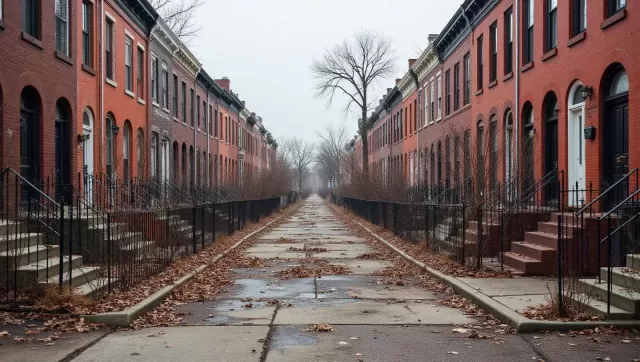
Baltimore Mayor Brandon Scott faces a monumental task in tackling the city's pervasive issue of vacant homes, a problem deeply intertwined with its history of disinvestment and economic shifts. While Scott highlights progress in neighborhoods like Park Heights, showcasing new developments such as The Terraces, the stark contrast with areas like Sandtown-Winchester, still grappling with abandoned properties and crime, underscores the immense challenge.
The Deep Roots of Vacancy
Baltimore's struggle with vacant homes isn't a new phenomenon. The city's mid-20th-century manufacturing boom gave way to significant job losses, leading to population decline and economic hardship. This has disproportionately affected the Black middle class, exacerbating the concentration of vacant properties and poverty in specific neighborhoods. Reports indicate thousands of vacant homes and lots, many situated in areas already facing high poverty rates. This issue is compounded by a history of violent crime, with incidents like the Freddie Gray tragedy in 2015 sparking unrest and further challenging the city's stability.
Scott's Strategy: A Community-Centric Approach
Mayor Scott, who campaigned on tackling crime, has pivoted to address the vacant housing crisis with a strategy mirroring his approach to reducing gun violence. He emphasizes community-led initiatives, emphasizing outreach and conflict mediation through programs like Safe Streets, rather than solely relying on heavy-handed policing. This community-focused philosophy is now being applied to revitalizing vacant properties, focusing on equity, justice, and rectifying historical injustices. The administration's plan prioritizes minimizing displacement, supporting existing residents, creating jobs, and fostering entrepreneurial opportunities, all while ensuring affordable housing remains a core component.
The Scale of the Challenge and Funding Efforts
The sheer number of vacant homes, estimated at around 13,000, presents a formidable hurdle. Baltimore's urban landscape, characterized by attached row houses, complicates demolition and redevelopment efforts compared to cities with detached housing. The goal is to avoid the gentrification that has priced out residents in other major cities.
Significant financial commitments are being made to tackle this crisis. The Greater Baltimore Committee (GBC) is spearheading efforts to raise $3 billion, with substantial contributions already pledged from public sources. The state has committed $900 million, and the city has allocated funds through municipal bond issuances. However, a considerable portion of the funding, particularly from private philanthropists, still needs to be secured. The concept of an "appraisal gap" – the difference between development costs and market sale prices in disinvested areas – is central to understanding the financial complexities.
Navigating the Path Forward
There is no universal agreement on the current state of Baltimore's housing market or the efficacy of ongoing efforts. Some observers note an increase in private capital and housing demand since 2020, suggesting a natural decline in vacancies. Others argue that private investment alone cannot address the magnitude of the problem, calling for more public subsidies.
Potential pitfalls loom large. Developers express concern about the city and state not acting quickly enough, allowing speculative investors to exploit vacant properties or drive up housing costs, leading to gentrification and displacement. The risk of development moving too slowly, allowing more properties to fall into disrepair, is also a significant worry.
The Human Cost of Vacancy
The impact of vacant buildings extends beyond aesthetics and economic concerns. Tragically, these neglected structures can become sites of danger. A devastating fire in an abandoned home in 2022, which resulted in three deaths, served as a stark reminder to Mayor Scott of the urgency of the situation. Fire department data reveals a significant number of fires in vacant properties, often started by individuals seeking warmth. This highlights the life-or-death implications of the vacancy crisis, particularly in neighborhoods like Carrollton Ridge, which face a high incidence of both vacant buildings and fires.
Despite these daunting challenges, Mayor Scott remains resolute. Drawing on his upbringing in the city, he expresses confidence in his ability to carry the weight of this monumental task, framing it not as an insurmountable burden, but as a calling rooted in his personal connection to the streets of Baltimore.