Crypto ATM Scams Spark Regulatory Battles
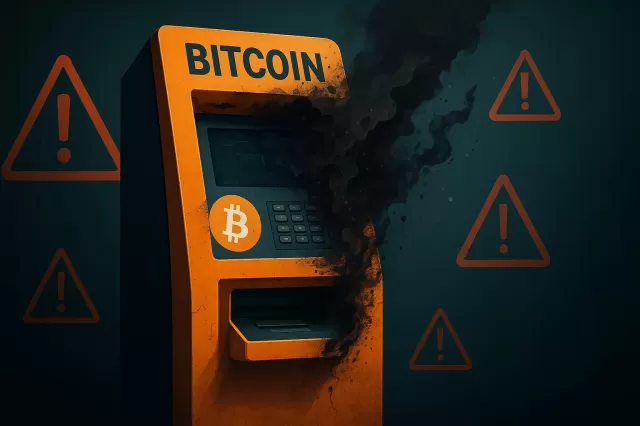
The financial landscape is facing a troubling surge in digital asset fraud, with recent FBI data indicating that losses tied to cryptocurrency ATM scams hit $240 million during the first half of 2025. This figure represents nearly twice the rate of similar crimes reported in the previous year. As these specialized kiosks become more prevalent in convenience stores and gas stations, local and state officials are increasingly debating whether to regulate or entirely remove these machines from public spaces.
The Rising Toll of Local Financial Crimes
In Spokane, Washington, the impact of these scams has been felt deeply. Law enforcement officials began tracking a significant uptick in crypto-related reports in 2023, noticing a pattern where victims were coerced into depositing massive sums of cash into localized terminals. Once the money enters the blockchain, it often travels to international hubs in Russia, China, or Nigeria, making recovery nearly impossible for local authorities.
The human consequences are devastating. Reports from the region highlight:
- Individual losses exceeding $900,000 in single instances.
- The total depletion of life savings for elderly residents.
- Tragic cases where victims took their own lives after realizing their financial security was gone.
Scammers typically utilize two primary methods: "romance scams" that prey on lonely individuals through long-term emotional manipulation, and "impersonation scams" where criminals pose as government officials or IRS agents. These bad actors often exploit cognitive decline in seniors or use high-pressure tactics to convince victims that a cash deposit at a nearby crypto ATM is the only way to resolve a legal or tax crisis.
Legislative Shifts and Municipal Bans
Faced with the limitations of international investigations, some local leaders are turning to policy changes. Spokane Councilman Paul Dillon recently spearheaded an ordinance that led to a unanimous vote to ban cryptocurrency ATMs within city limits. Following a similar move in Stillwater, Minnesota, Spokane's initiative marks one of the most aggressive regulatory stances in the country.
While a federal ban remains unlikely under current administrative perspectives on digital assets, several states are moving toward stricter oversight. Arizona, Vermont, and Arkansas are currently reviewing or tightening laws surrounding the operation of these machines. Proponents of these bans argue that while the machines are located in American neighborhoods, the criminal infrastructure they support is largely based overseas and beyond the reach of the domestic justice system.
The Debate Over Privacy and Financial Access
Not everyone agrees that removal is the solution. Industry experts and blockchain advocates suggest that banning the hardware may not stop the fraud, but it could alienate legitimate users. Advocates for crypto ATMs argue that these terminals provide several essential functions:
Financial Privacy: For individuals who prefer not to use traditional banking systems, ATMs offer a way to convert cash to digital assets without a middleman.
Service for the Underbanked: Many users lack access to traditional credit or debit accounts and rely on cash-heavy economies.
Immediate Access: Despite high transaction fees—which often exceed 10%—the machines provide a bridge between physical currency and the digital economy that is faster than many regulated bank transfers.
Critics of the ban argue that the high fees are a premium for the convenience and anonymity the machines provide. They suggest that the problem lies not in the technology itself, but in the lack of public education and the failure of existing financial institutions to serve marginalized populations.
Addressing the Root Causes of Vulnerability
Legal scholars and financial experts point out that the United States currently hosts roughly 80% of the world's cryptocurrency ATMs. This high density is often viewed as a symptom of a fractured financial system. When people are locked out of mainstream banking or lose trust in traditional institutions, they turn to alternative financial rails like Bitcoin teller machines (BTMs).
While these terminals are technically required to follow "Know Your Customer" (KYC) and Anti-Money Laundering (AML) protocols under the Bank Secrecy Act, enforcement varies significantly. For investigators on the ground, the priority remains protection through education. Until broader regulatory or structural changes occur, local authorities are focusing on visiting community centers and retirement homes to warn the most vulnerable residents about the irreversible nature of cryptocurrency transactions.