Hassett's Fed Chair Prospects Dim Amidst Internal Pushback
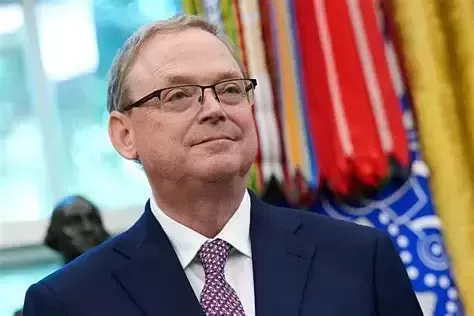
The once-certain candidacy of National Economic Council director Kevin Hassett for the Federal Reserve's top position is now facing significant headwinds. Influential figures close to President Donald Trump are reportedly expressing reservations, creating a dramatic shift in the race to succeed current chair Jerome Powell.
Ironically, the very attribute that initially made Hassett the frontrunner—his close relationship with the president—is now the primary source of concern. Sources indicate that there is growing anxiety that his appointment could compromise the central bank's independence. This has complicated the selection process, potentially explaining why candidate interviews scheduled for early December were abruptly postponed and later rescheduled.
The Rise of a New Contender
President Trump himself fueled speculation and surprised the market with recent remarks to a major financial newspaper. After previously suggesting his choice was made, he revealed that former Fed Governor Kevin Warsh has ascended to co-frontrunner status alongside Hassett. The president noted his high regard for both men, referring to them as "the two Kevins."
This development caused a seismic shift in prediction markets. On the Kalshi platform, Hassett's probability of being chosen plummeted from a high of over 80% earlier in the month to just 51% as of Monday. Conversely, Warsh's odds have skyrocketed from approximately 11% at the start of December to 44%, placing him nearly neck-and-neck with Hassett.
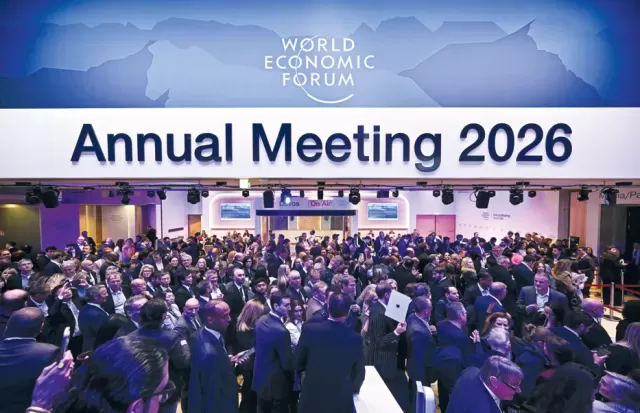
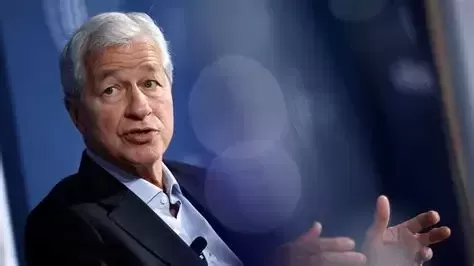
The support for Warsh appears to be a strategic effort to promote an alternative rather than directly undermine Hassett. At a recent JPMorgan event, CEO Jamie Dimon praised both candidates but delivered comments that led many attendees to believe he favored Warsh for the position.
Market Fears and Candidate Response
The core of the resistance to Hassett's candidacy stems from fears of a potential bond market backlash. There is a worry that investors might view a Hassett-led Fed as being too politically aligned with the White House. Such a perception could undermine confidence in the central bank's commitment to fighting inflation. If the market believes the Fed would not act decisively to raise interest rates to control rising prices, it could demand higher long-term yields, an outcome contrary to the president's objectives.
Seemingly in an effort to quell these concerns, Hassett took a firm stance on the principle of central bank independence during a recent television interview. Speaking on Face the Nation, he acknowledged the president's strong economic views but stressed that the Federal Reserve operates by consensus among its board members, independent of political pressure. When pressed, Hassett confirmed that the president's opinion would carry no formal weight in policy decisions, stating it would only be relevant if it were substantively supported by economic data.