Meghan Sparks Balenciaga, Celine Embraces Inclusive Chic
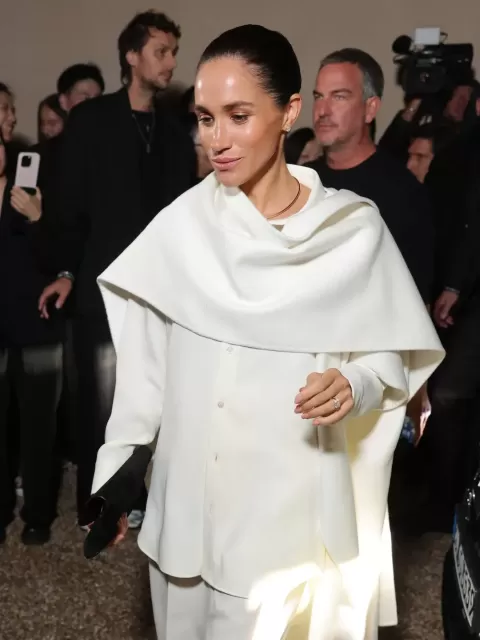
This season's Paris Fashion Week saw its share of headlines generated by leadership changes at storied houses like Dior and Chanel. Yet, the real media whirlwind erupted around Balenciaga's latest collection, largely due to a high-profile guest: Meghan, the Duchess of Sussex, marking her first public appearance in Europe in three years from the front row. This unexpected turn overshadowed many other presentations, including those by other prominent labels.
Until this moment, the atmosphere surrounding Pierpaolo Piccioli's highly anticipated debut for Balenciaga had been remarkably understated. While Balenciaga is a revered name in fashion and Piccioli a globally recognized designer, he is also widely celebrated as one of the industry's kindest figures. Many assumed the era of dramatic runway theatrics had concluded with the departure of the brand's previous creative director, known for a more provocative flair. However, even the most genial personalities can deliver surprises, and the Duchess's attendance dramatically amplified the collection's visibility. Her choice to wear Balenciaga—a French house founded by a Spaniard, now under Italian creative direction—was notable for its lack of direct ties to British heritage.
A Manifesto of Female Liberation at Balenciaga
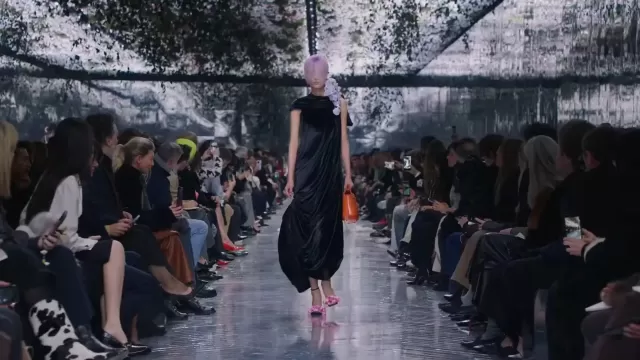
Intriguingly, Piccioli's vision, which he described backstage as a "manifesto," centered on the powerful theme of female emancipation. His inspiration began with Cristóbal Balenciaga's groundbreaking 1957 sack dress. This revolutionary silhouette deliberately held itself away from the body, offering a liberation from garments that either emphasized or confined a woman's natural form.
Piccioli explained that this design was a radical expression of a societal shift, moving away from 1950s conservatism towards the dawning era of the 1960s. He emphasized, "It championed progress for women. It freed women from the burden of clothes that clung to and dictated to their bodies. The sack dress allowed women to claim their own space, moving with newfound freedom."
At the core of Balenciaga's design philosophy are garments that possess their own distinct structure. Piccioli likened his approach to that of an architect: constructing forms that never quite touch the body, yet are always meticulously designed with the human wearer and their movement in mind. "Cristóbal Balenciaga was fascinated by the body, by fabric, and by the crucial third element – the air between the two," Piccioli elaborated.
Piccioli, a 58-year-old designer often seen with strings of beads and charms, exudes a serene, almost bohemian calm. He views fashion not as a competitive arena, but as a collaborative art form, believing it's "cooler" for designers to celebrate each other's unique talents.
The runway unveiled a contemporary reinterpretation of the iconic sack dress, now elongated to an elegant, ankle-skimming length. These were paired with sophisticated opera gloves but, with an unexpected twist, accessorized with bold, wraparound 'bug-eye' sunglasses—a clear stylistic nod to the distinctive, almost dystopian aesthetic championed by the house's more recent past. Piccioli expressed his hope for a "reconciliation" between Balenciaga's haute couture origins and its more recent engagement with streetwear culture. The collection also reimagined other signature Balenciaga silhouettes, including a striking "cocoon" coat in a vibrant poison green and a dramatic trapeze dress in rich violent purple.
Celine Embraces Inclusive Parisian Chic
The enduring appeal of "French-girl chic" continues to be a powerful and financially successful trend in the fashion world. Michael Rider, an American designer, demonstrates an innate understanding and fluent command of this quintessential style.
Having previously collaborated extensively with Phoebe Philo during her influential tenure at Celine, Rider then spent six successful years transforming Polo Ralph Lauren into a benchmark for accessible, refined taste. Now, returning to Celine, he is consciously infusing Parisian style with a similar spirit of inclusivity and approachability that defined his work at Polo.
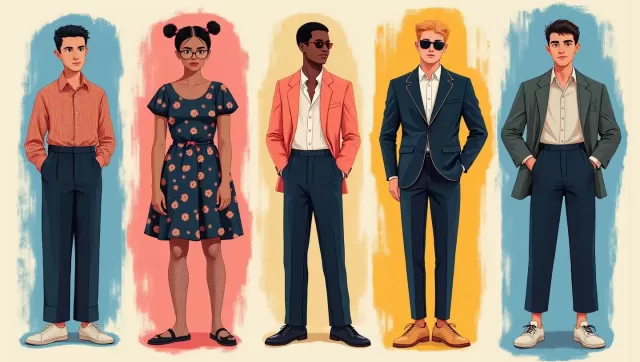
His collection featured classic "French-girl" staples—think elegantly tailored trench coats, charming straw baskets, and silk scarves artfully tied around handbags—but reinterpreted through a vibrant, optimistic American lens, expressed in a cheerful color palette.
Following the show, Rider articulated his vision: "Celine is not intended to be an intimidating or exclusive brand. My hope is for everyone to feel desired and empowered when they wear our designs. While you may not find the most avant-garde pieces here, you will discover the impeccably crafted coat, and, perhaps more importantly, cultivate the inherent confidence to wear it."