Duffel Coat's Stylish Resurgence: From Playground to Paris Fashion Week
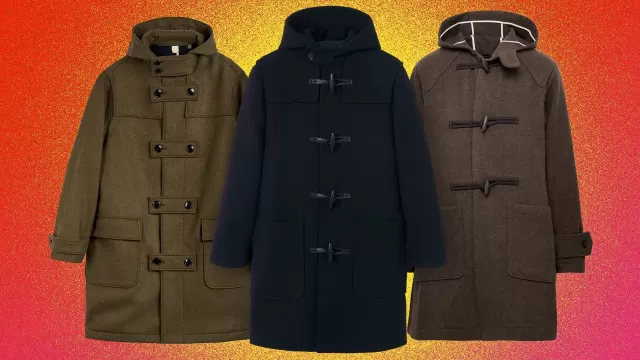
The humble duffel coat is experiencing a stylish resurgence, shedding its playground-only image to grace the wardrobes of adults. This iconic outerwear, most famously associated with a certain beloved bear, is once again making a significant statement on the fashion scene.
This year, the duffel is proving its enduring appeal. We've seen it featured prominently in popular culture, from comedian Joe Wilkinson sporting one alongside Keira Knightley in a recent festive advertisement for Waitrose, to footballer Cole Palmer showcasing a Burberry iteration in their latest campaign. Even musical artist Tyler, the Creator has been spotted in a contemporary, shorter version in a recent music video. Adding to its theatrical presence, the classic duffel is currently on display on stage in the West End, a testament to its theatrical charm.
Retailers are taking note of this renewed interest. The duffel coat is readily available on the high street, with options ranging from a sophisticated cream design by Labrum for John Lewis, priced at £279, to a more accessible £64 checked version from the ever-popular Marks & Spencer. Retail data reflects this surge in popularity; John Lewis has reported a remarkable 75% increase in duffel coat sales compared to the previous month, while searches on the resale platform Depop have soared by an impressive 159% in the last four months, indicating a strong demand in both new and pre-loved markets.
While the duffel coat might appear inherently genderless, its current wave of popularity is particularly noticeable among men. Andrew Groves, director of the menswear archive at the University of Westminster, links this trend to a broader shift in menswear. He suggests that men are increasingly drawn to garments with clear historical roots and unambiguous functionality. The duffel coat, with its inherent warmth, insulation, and straightforward design, appeals to a desire for practical yet classic pieces.
Interestingly, despite its strong association with British style, the duffel coat's name actually originates from the town of Duffel in Belgium, where its signature thick fabric was first produced. Further design elements may have been influenced by Polish frock coats. The coat first gained widespread recognition when adopted by the British Royal Navy.
During the Second World War, the duffel coat became a symbol of wartime heroism, famously worn by Field Marshal Bernard Law Montgomery. His strong association with the garment led to it being affectionately known as the "Monty" coat. In the post-war era, surplus army stores made these coats accessible, and they quickly became a favourite amongst creative and progressive individuals. Figures like Jean Cocteau, young anti-war protestors, and even David Bowie, who sported one on the cover of his 1977 album Low, cemented its place in counter-culture fashion.
A spokesperson for Depop highlights that this trend aligns perfectly with a growing fascination for "heritage fashion." They observe that traditional pieces, particularly those evoking a sense of the countryside, are increasingly being integrated into contemporary street style.
However, not everyone is convinced of the duffel's place in modern adult fashion. Teo van den Broeke, editor-in-chief of Esquire, expresses a strong opinion, believing the duffel is best left to characters like Paddington Bear or confined to the playground. He finds the coat somewhat infantilizing and unconventionally "unsexy" on adults.
Despite his reservations, van den Broeke acknowledges the duffel coat's undeniable appeal, noting that it ticks multiple boxes for many. He understands that men are often drawn to items that are functional, possess a sense of heritage, and carry compelling stories, particularly those with military connections.
The duffel has a long-standing history with rock musicians, with artists such as Liam Gallagher, Graham Coxon, and Alex Turner having been notable fans. Van den Broeke suggests that for these musicians, the duffel works because they manage to "subvert" its traditional connotations. He emphasizes that attitude is key; if a musician projects a nonchalant, effortlessly cool image, they can likely pull off a duffel coat. However, he cautions that an overly earnest or serious approach to wearing one can be counterproductive.
Despite his personal reservations, van den Broeke recognizes that the duffel coat's popularity is unlikely to wane. He likens its enduring design to a select few outerwear pieces that have achieved a timeless status, capable of cycling back into fashion repeatedly.
Groves echoes this sentiment, describing the duffel as a classic that defies reinvention. He believes that regardless of how designers like Burberry or Prada approach it, the fundamental essence of a duffel coat remains unchanged, securing its place in the annals of sartorial history.