Fathers' Guide to Taming Kid's Curly Hair
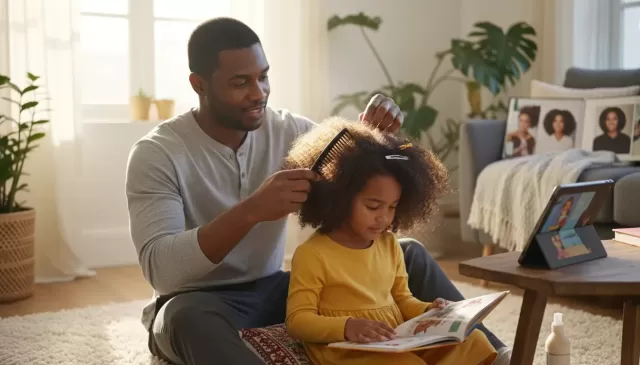
For many parents, particularly fathers accustomed to the quick efficiency of a barbershop, managing the intricate textures of a child's curly or mixed-heritage hair can feel like navigating a complex maze. The transition from simple clipper fades to the delicate requirements of coils and waves often comes with a steep learning curve. However, expert stylists and hair advocates suggest that the process doesn't have to be a source of stress or "hair trauma." Instead, with the right education and a few strategic swaps, hair day can become a peaceful bonding experience rather than a household battle.
Redefining the Role of Fathers in Hair Care
Traditionally, the nuances of textured hair care have been viewed as a maternal responsibility. However, a significant cultural shift is occurring. More fathers are now stepping up to master the art of parting, braiding, and moisturizing. This movement is driven by a desire to lighten the domestic load and to forge deeper emotional connections with their children. When a parent takes the time to learn the specific needs of their child's curls, it transforms a chore into a ritual of care. While it may take a beginner forty minutes to achieve what an expert does in five, the pride of a perfectly straight parting or a frizz-free curl is a rewarding milestone in modern parenting.
Identifying and Fixing Common Mistakes
Most "hair day" tears are the result of incorrect tools and aggressive techniques. To create a pain-free environment, parents should evaluate their current routine for these common pitfalls:
Restrictive Hair Ties: Standard elastic bands are often the primary cause of breakage. They cling to the hair shaft and cause significant pain during removal.
Brushing from the Scalp Down: Starting at the roots and pulling downward forces knots into a tighter cluster, leading to snapping and discomfort.
Heavy Product Overload: Using thick waxes or heavy butters on finer, mixed textures can weigh the hair down, making it look greasy rather than defined.
Rough Drying: Traditional Terry cloth towels have a "pile" that creates friction, ruffling the hair cuticle and causing instant frizz.
Professional Techniques for Pain-Free Styling
The secret to manageable curls lies in a "bottom-up" approach. Experts recommend using a flexible, long-toothed comb or a specialized detangling brush designed to give way rather than pull. By starting at the ends of the hair and gradually working toward the scalp, you can unpick tangles methodically without tension.
The drying process is equally vital. Instead of a towel, use an old cotton T-shirt to gently pat or "plump" the hair. Because the T-shirt lacks the rough texture of a towel, it preserves the natural curl pattern. Furthermore, when using a hairdryer, a large diffuser attachment on a low heat setting is essential. It allows the heat to circulate evenly around the curls without blasting them out of shape, ensuring the hair retains its bounce and moisture.
Essential Kit Swaps for Curly Hair
Updating your grooming kit is often more effective than buying expensive treatments. Consider these simple replacements to improve your results:
Silk or Satin Accessories: Swap elastic ties for silk scrunchies and invest in silk pillowcases. These materials allow the hair to glide, reducing knots and "bedhead" frizz.
Lightweight Serums: For children with mixed textures, look for light leave-in conditioners or water-based serums rather than heavy oils.
The Manta or Wide-Tooth Comb: Move away from hard-bristled brushes toward tools with spaced-out, flexible teeth that respect the hair's elasticity.
Mastering textured hair is ultimately about patience and the willingness to abandon outdated methods. By slowing down the process and focusing on the specific needs of the curl, parents can turn a once-dreaded task into a source of family pride and confidence.