UK Parliament to Back Online Content Creators
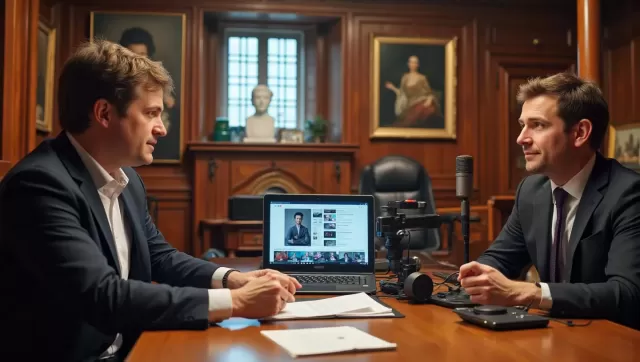
A newly formed coalition of British lawmakers from different political parties is advocating for improved rights and support for the growing number of online content creators in the UK. This initiative stems from concerns that these individuals face significant challenges in accessing essential resources, ranging from basic equipment to financial services like mortgages.
The emergence of content creators on platforms like YouTube and TikTok has dramatically reshaped the media landscape, with successful streamers cultivating substantial audiences of millions. Recent analyses indicate that this sector contributes an estimated £2.2 billion to the British economy.
However, a survey conducted by YouTube involving thousands of creators revealed that a lack of formal recognition hinders their ability to access skill development opportunities, training programs, funding sources, suitable studio spaces, and necessary filming permits.
Furthermore, The Guardian has reported instances where successful creators have encountered skepticism from financial institutions when applying for loans or mortgages, due to the nature of their profession.
The new parliamentary group, dedicated to supporting creators, will be jointly led by Feryal Clark (Labour) and Ed Vaizey (Conservative), both former ministers focused on digital affairs.
Clark emphasized the importance of digital creators, stating, "They are revolutionizing creativity, establishing new cultural norms, building substantial enterprises from their homes, and contributing billions to our national income. For too long, their ingenuity has been underestimated by policymakers. This new bipartisan group will address this by removing obstacles hindering their potential, recognizing creators as innovators, and ensuring Britain becomes a global hub for creativity, innovation, and ambition."
This initiative coincides with increased political scrutiny of YouTube's role in the media ecosystem. The Google-owned platform is a dominant force and generated over $36 billion in revenue in the previous year, typically retaining 45% of the advertising revenue earned by individual channels.
The Culture Secretary, Lisa Nandy, supports the regulator Ofcom's position that YouTube should prioritize and give greater visibility to traditional, well-established broadcasters, while also ensuring a more equitable distribution of revenue generated from their content.