Iran Internet Blackout Amid Strikes, Concerns Over Family Well-being
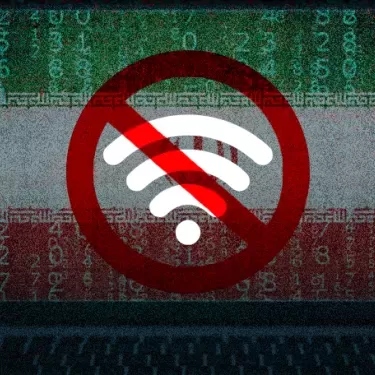
Internet access in Iran has been severely disrupted for over 24 hours, with connectivity plummeting to near zero following reported US and Israeli strikes. NetBlocks, an internet monitoring group, indicated that connectivity dropped to about 1% of normal levels early Saturday morning, coinciding with the strikes. This significant reduction in access occurred following the killing of Ayatollah Khamenei in what NetBlocks described as US and Israeli air strikes.
Initially, online connectivity reportedly fell to just over 50% after the US strikes, but rapidly declined further as the situation evolved. An expatriate in Michigan, who wished to remain anonymous to protect family in Iran, stated they were unable to reach their relatives. They noted that while prior phone and internet connections had been possible, albeit unstable, immediate contact was now impossible.
Cloudflare Radar, another monitoring service, offered context for the partial but not complete blackout. The persistence of some web and DNS traffic, along with available IPv4 routes, suggests that certain users and sites might have been granted exception access. This indicates a potential deliberate allowance for limited connectivity rather than a total shutdown, a tactic Iran's government has previously employed to suppress protests.
Amnezia, a VPN provider, commented that Iran's censorship efforts are becoming more advanced, potentially surpassing those of China. However, the precise catalyst for the drastic traffic decline during the strikes remains unclear, though Amnezia observed a significant drop in its own service traffic.
The ability to maintain internet access has historically been crucial for demonstrators globally. In Iran, connectivity is described as vital for people to ascertain the well-being of their loved ones. In February, The Wall Street Journal revealed US efforts to covertly introduce thousands of Starlink satellite internet terminals into Iran, aiming to circumvent government-imposed blackouts, although Starlink devices are officially prohibited there.
Separately, internet infrastructure in several Middle Eastern countries has experienced disruptions due to attacks originating from Iran. Amazon Web Services reported that services in the region were impacted after objects struck a data center, causing fires. AWS is reportedly working to resolve these issues.