AI Boom Spawns Worker 'Man Camps'
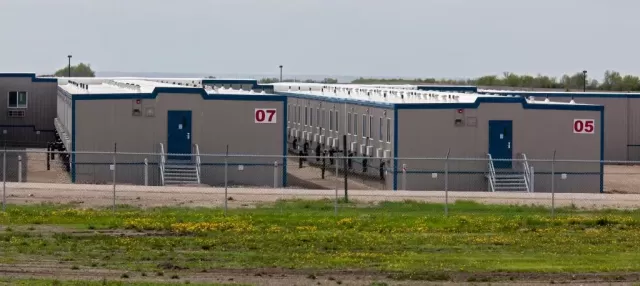
The rapid expansion of artificial intelligence infrastructure is creating an unexpected side effect: a surge in self-contained temporary communities for construction crews. As developers race to build massive data centers, often in remote locations, they are turning to large-scale workforce housing solutions to accommodate the hundreds or thousands of workers needed for these projects.
This approach borrows directly from the playbook of the oil and gas industry, where "man camps" have long been used to house employees in isolated regions. The model is now being adapted at breakneck speed for the tech sector's building boom.
A Glimpse into a Data Center Man Camp
A prime example is unfolding in rural Texas, where a former Bitcoin mining facility is being converted into one of the nation's most powerful data centers. To support this project, a dedicated temporary village has been established. The residential units provide workers with essential amenities, including fitness facilities, laundry services, and recreational game rooms. A central cafeteria even offers menu items like grilled steaks prepared to order.
The scale of such operations is significant. A single provider, Target Hospitality, secured contracts valued at $132 million to manage this particular Texas camp, which has the capacity to house over a thousand individuals. Company leadership has publicly identified the data center construction wave as an unprecedented growth opportunity, citing it as the largest actionable business pipeline they have encountered.
The Company Behind the Camps
Target Hospitality's involvement in specialty housing extends beyond the tech industry. The company also operates the Dilley South Texas Family Residential Center, a facility that detains migrant families for Immigration and Customs Enforcement. This aspect of their business has drawn scrutiny, with legal documents alleging past issues at the center such as food quality problems and inadequate accommodations for children with dietary or medical needs.
The rise of these temporary worker camps highlights the immense physical footprint of the AI revolution. Beyond the servers and cooling systems, the industry must also solve the human logistics of constructing these vast digital factories, often leaning on established players from other industrial sectors to meet the demand.