Why It Backfires to Force Gratitude in Children and What to Do Alternatively
Do you enjoy being instructed? Only when you're too exhausted to choose a takeout restaurant do you appreciate it, if you're like me.
Children also dislike being bossed around. When we try to push feelings, it doesn't work. As adults, we guide. That is true for a lot of things, but let's concentrate on one action and emotion that can be particularly negatively impacted by coercion: gratitude.
For both adults and children, forced gratitude can feel hollow. When it turns into a transaction, being grateful no longer feels like a source of goodness but rather like a task to cross off a list. On the other hand, sincere gratitude significantly enhances wellbeing, resilience, and social relationships.
Then, how do we transcend our good intentions and go from duty to motivation? We begin by seeking to meet our children at their developmental stage and concentrating on the things that we can manage. Giacomo Bono and Jeffrey J. Froh, two researchers, identified the following crucial phases of gratitude development:
The early years of life, from birth to age six, are crucial for the development of empathy, perspective taking, and emotional awareness — all of which are necessary for experiencing genuine and profound thankfulness. Around the age of five, children start to develop theory of mind, which enables them to recognize the deliberate compassion behind other people's behaviors by realizing that everyone has different thoughts and feelings.
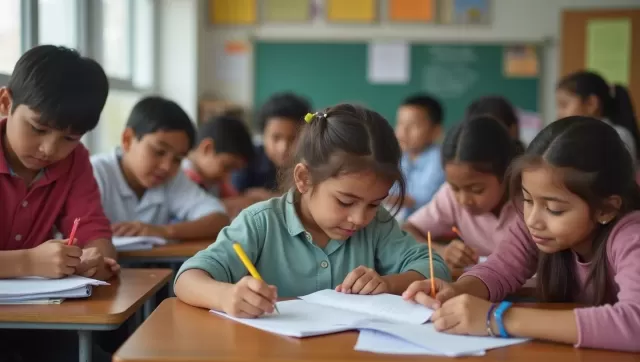
From seven to ten years old, children start to consistently comprehend the concept of experiencing and expressing gratitude. Additionally, they strengthen their capacity to identify and value the kindness of others.
Ages 11 and over: Adolescents who are grateful report higher levels of enjoyment, optimism, and social connections, as well as improved academic performance.
We can establish reasonable expectations and offer developmentally appropriate support because children's gratitude develops as they mature. While older children perceive and value kindness in more sophisticated ways, younger children are still developing empathy and perspective-taking abilities. These three strategies will help you cultivate thankfulness over time.
1. Describe the importance of thankfulness
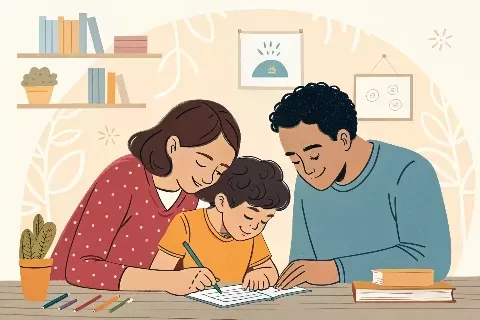
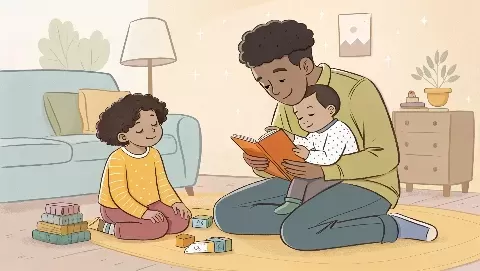
By demonstrating and reaffirming the importance of appreciation, we adults can set the example. Children naturally absorb gratitude when they witness it in our daily interactions—through kind remarks, acknowledgment, and respect of others.
We lay the groundwork for a culture that values, understands, and promotes gratitude by consistently modeling it and discussing its benefits.
2. Set up the conditions
The challenge is creating situations that foster thankfulness since it thrives in caring settings where children feel safe and appreciated. Providing diverse avenues for experiencing and expressing appreciation enhances its accessibility and significance.
Children are given the opportunity to cultivate thankfulness in a way that feels genuine when it is presented as an invitation rather than a requirement. Additionally, appreciation becomes something they embrace rather than just something they do when we accept different ways of expressing themselves.
3. Let them take the initiative
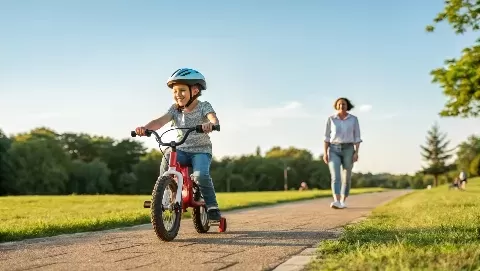
What if kids took on the roles of leaders of gratitude, creating meaningful activities that unite people? Allowing kids to take the initiative helps them develop a lasting sense of self. When children learn to be grateful, it becomes a part of their everyday lives and enhances their emotional intelligence.
So let's take a moment the next time we feel like asking, "Ahem, what do you say?" Let's instead empower, invite, and set an example.
When children learn to choose thankfulness instead of being commanded to do it, it transcends the moment and becomes a habit that builds connections, enhances wellbeing, and creates a more compassionate world.